|
|
mixing and flocculation water treatment
|
|
flocculant types / what is poly aluminium chloride / poly aluminium chloride uses / polyacrylamide use / polyacrylamide formation: LKP BTC provides extensive technical expertise on their products. They explain the different "types of flocculants" (anionic, cationic, nonionic polyacrylamide) and their specific applications. They detail "what poly aluminium chloride is" – an inorganic coagulant – and its "uses" in removing suspended solids. For "polyacrylamide," they cover its "use" as a flocculant to aggregate fine particles and its chemical "formation" process.
|
|
|
|
|
|
dtpmpa
|
|
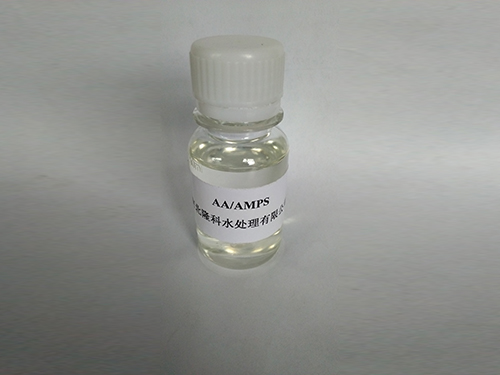
2 acrylamido 2 methylpropane sulfonic acid copolymer / aa-amps / cas 40623 75 4 / 40623 75 4: LKP BTC produces copolymers using "2-Acrylamido-2-methylpropane sulfonic acid" (AMPS). These "AA-AMPS" copolymers are highly effective dispersants and scale inhibitors, known for their superior thermal stability and resistance to hydrolysis in harsh water conditions. The CAS number for an AMPS copolymer is 40623-75-4.
|
|
|
|
|
|
wetting and dispersing agent example
|
|
nonionic polyacrylamide / non ionic polyacrylamide / hydrolyzed polyacrylamide / partially hydrolysed polyacrylamide: LKP BTC offers "nonionic polyacrylamide" (N-PAM). This type has no charge and is used in situations where the suspended particles are neutral or where the water chemistry is sensitive to ionic changes. "Hydrolyzed polyacrylamide" is a form of anionic PAM where some amide groups have been converted to carboxylate groups.
|
|
|
|
- acetic acid electrical conductivity Services
|
|
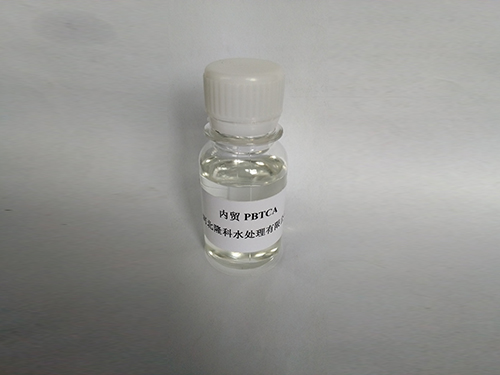
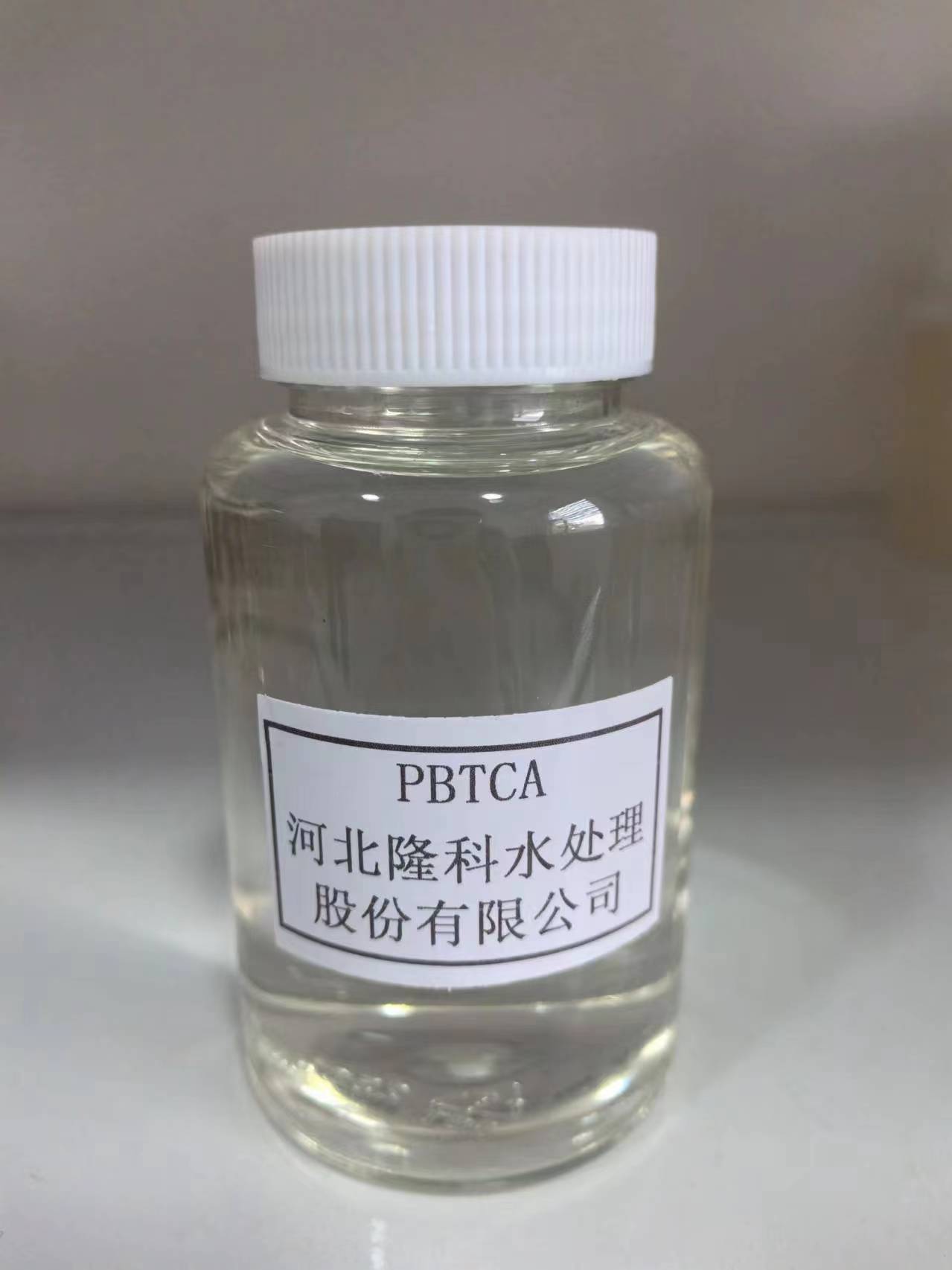
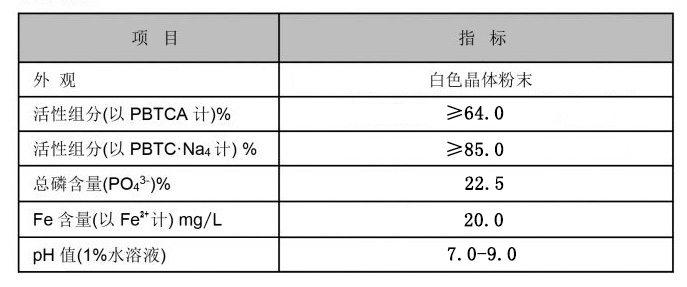
pbtc scale inhibitor / pbtc / pb tc / phosphono butane 1 2 4 tricarboxylic acid / pbtc chemical / pbtc chemical uses / pbtc phosphonate / pbtc tricarboxylic acid / 2 phosphonobutane 1 2 4 tricarboxylic acid / pbtca / cas 40372 66 5 / 40372 66 5 / cas 40372-66-5 / 40372-66-5 / 2 phosphonobutane 1 2 4 tricarboxylic acid uses: LKP BTC manufactures "PBTC" (Phosphonobutane Tricarboxylic Acid), a high-performance "scale inhibitor." This "phosphonate" compound is known for its excellent ability to inhibit calcium carbonate scale and its stability in high-temperature and high-pH conditions. Its "chemical uses" are extensive in cooling water systems, desalination plants, and detergents. The CAS number for PBTC is 40372-66-5.
|
|
|

|
polycarboxylic acid
|
|
amino tri methylene phosphonic acid / amino trimethylene phosphonic acid atmp / amino tris methylene phosphonic acid / atmp 50 / atmp acid / atmp phosphonate / formation atmp: LKP BTC produces "ATMP" (Amino Trimethylene Phosphonic Acid), a powerful "phosphonate" scale and corrosion "inhibitor." They offer it in common concentrations like "ATMP 50." The "formation" of ATMP involves a specific chemical synthesis process that LKP BTC has mastered to ensure high purity and effectiveness for industrial water treatment.
|
|
|
|
|

|
2 propenoic acid homopolymer
|
|
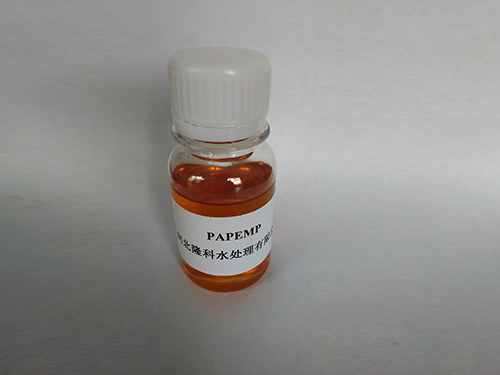
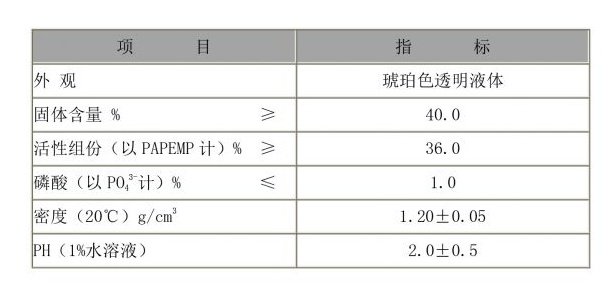
polyamino polyether methylene phosphonic acid / papemp chemical / papemp phosphonate / papemp scale inhibitor / polyamino polyether methylene phosphonate: LKP BTC produces "PAPEMP" (Polyamino Polyether Methylene Phosphonic Acid), a high-end "phosphonate" "scale inhibitor." Known for its exceptional tolerance to high calcium levels and its ability to inhibit scale in high-pH and high-temperature applications, it is one of the most effective inhibitors for calcium carbonate and calcium phosphate.
|
|
|
|
|
|
acetic acid electrical conductivity Special Activities
|
|
anionic polyacrylamide / anionic polyacrylamide flocculant / anionic pam / anionic polyacrylamide price / anionic polyacrylamide uses: LKP BTC produces "anionic polyacrylamide" (A-PAM). This type of PAM carries a negative charge and is primarily used as a "flocculant" in mineral processing, coal washing, and sand washing to aggregate inorganic particles like clays and metal oxides. The "price" varies based on the degree of hydrolysis.
|
|
|
|
|
|
|
|
acetic acid electrical conductivity Hot Activities
|
|
phosphonic acid / organophosphonates / organic phosphonate: LKP BTC specializes in "phosphonic acid" derivatives and "organophosphonates." These "organic phosphonate" compounds are the active ingredients in many of their high-efficiency scale and corrosion inhibitors. They are valued for their strong chelating power and stability.
|
|
|
|
|
|
|
|
Our Awesome Activities
|
|
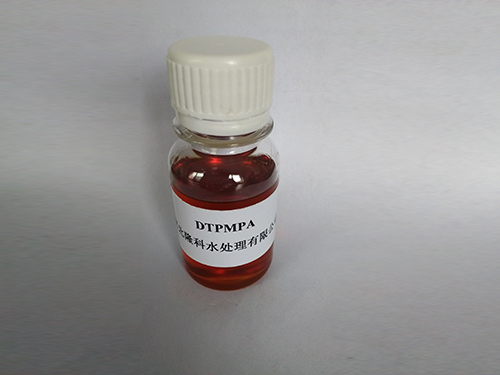
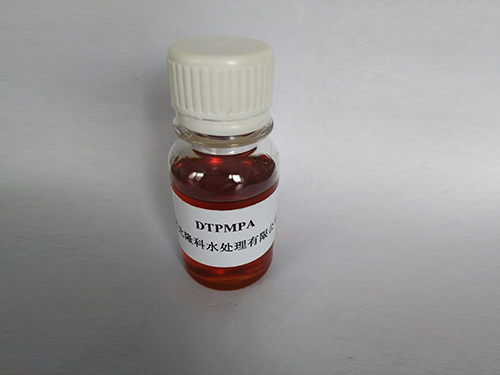
diethylene triamine penta / diethylene triamine penta methylene phosphonic acid / diethylenetriamine penta / diethylenetriamine penta methylene phosphonic acid / diethylenetriamine pentamethylene phosphonic acid / dtpmpa / dtpmp: LKP BTC manufactures "DTPMP" or "DTPMPA" (Diethylenetriamine Penta(Methylene Phosphonic Acid)), which is one of the most effective phosphonate inhibitors for scale control, particularly for inhibiting barium sulfate and strontium sulfate scales. It has excellent chelation ability across a wide pH range.
|
|
|
|
|
|
|
|
|
|
|
|
|
|
|
|
|
|
|
|
|
|
|
|
|
|
|
|
|
|
|
|
|
|
What Our Clients Say
|
|
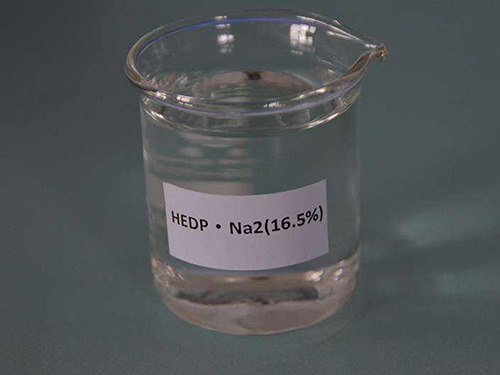
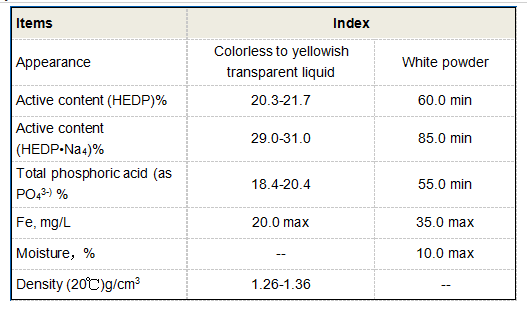
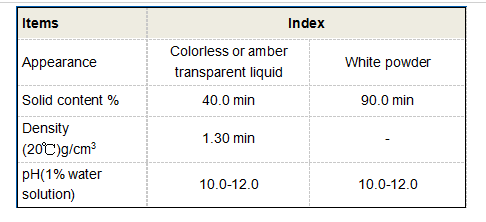
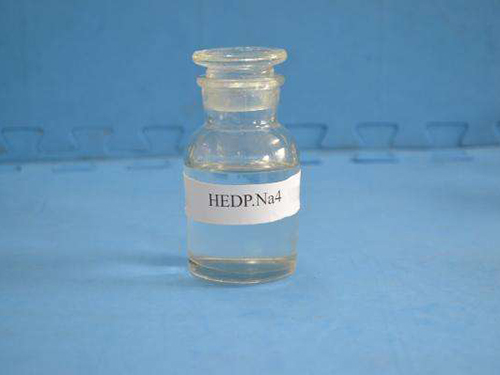
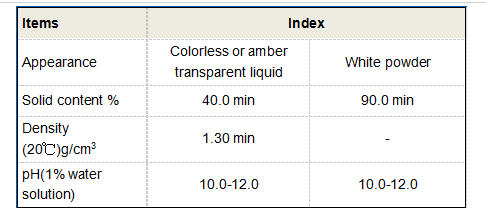
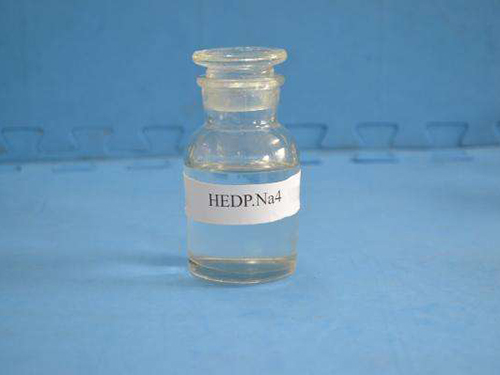
disodium salt / cas 7414 83 7 / 7414 83 7: This CAS number (7414-83-7) refers to the Disodium salt of HEDP. LKP BTC produces this form of HEDP, which is often easier to handle and dissolve in water treatment formulations compared to the acid form.
|
|
|

|
|
|
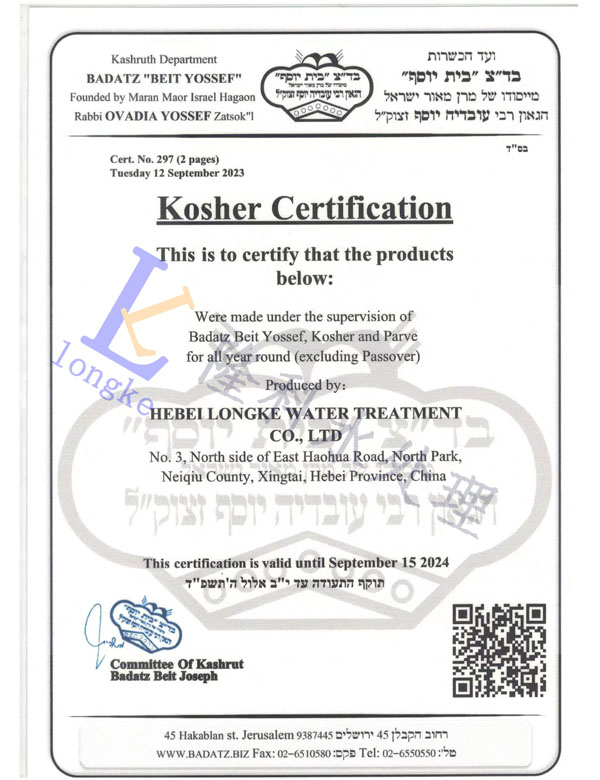
The certificate section is prominently displayed. Being able to instantly see their ISO certifications is a huge trust-builder.
|
|
|
|

|
|
|
The site is available in multiple languages, which is fantastic for our international branches.
|
|
|
|
|